The first few weeks were exciting.
The number on the scale kept dropping.
Table of Contents
ToggleYour clothes started fitting better.
People noticed the difference.
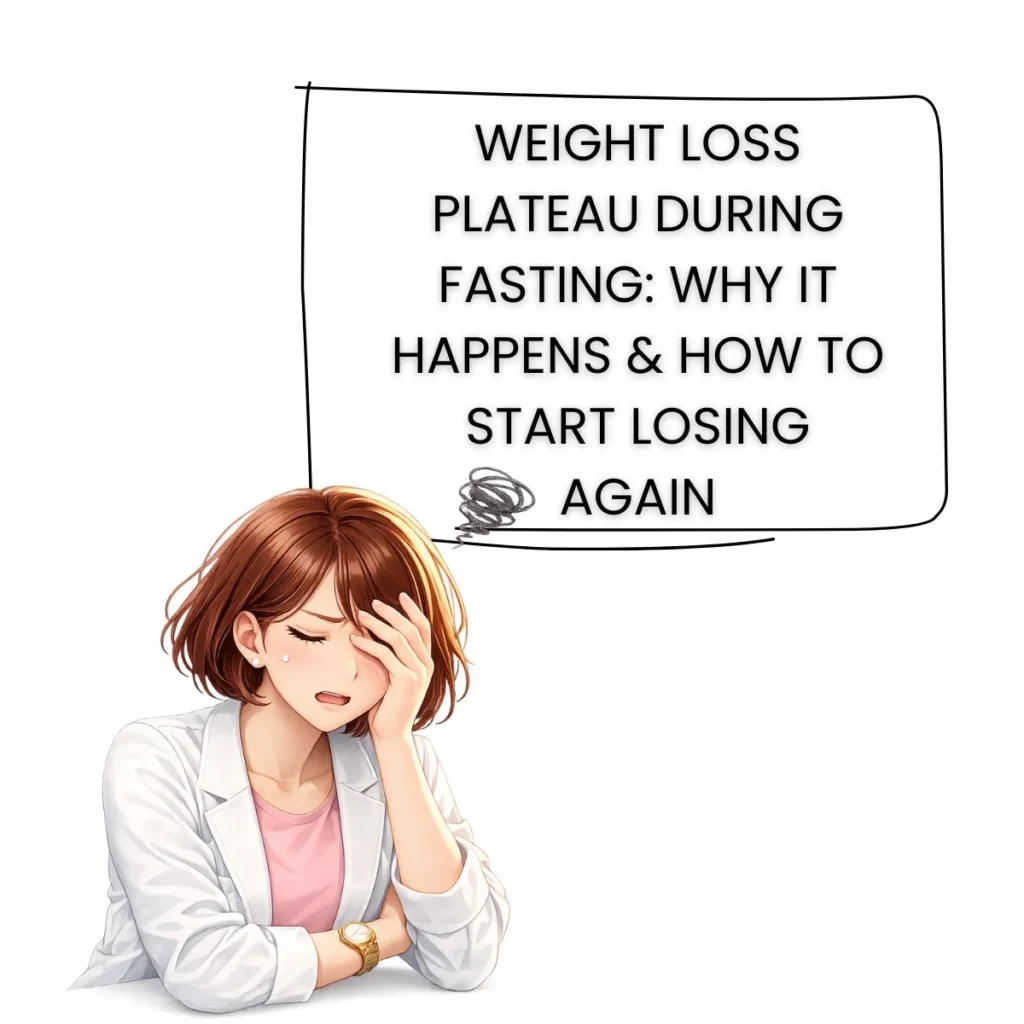
Then, almost overnight, everything stopped.
You’ve been following your fasting routine just as carefully as before.
You’re eating the same foods.
You’re walking every day.
Yet the scale hasn’t moved for days—or even weeks.
Naturally, one question starts running through your mind:
“Has fasting stopped working?”
The answer is almost always no.
Weight loss plateaus are one of the most common—and most misunderstood—parts of any health journey.
They don’t necessarily mean you’re failing.
They often mean your body is adapting.
Understanding why plateaus happen can help you avoid unnecessary frustration and make smarter decisions instead of giving up on a plan that’s already improving your health.
Question | Answer |
What is a weight loss plateau? | A period where weight remains stable despite continuing healthy habits. |
Is it normal? | Yes. Almost everyone experiences plateaus during long-term weight loss. |
Does it mean fasting stopped working? | Usually not. Your body is adapting to its new weight and energy needs. |
Should I fast longer? | Not necessarily. Longer fasting isn’t always the answer. |
Can plateaus be broken? | Yes. Identifying the underlying cause usually helps restart progress. |
What Is a Weight Loss Plateau?
A weight loss plateau is a period during which your body weight stays relatively unchanged despite continuing your diet, exercise, or fasting routine.
For some people, this lasts a few days.
For others, it may continue for several weeks.
Many people assume that a plateau means they’ve stopped losing fat.
That’s not always true.
Sometimes you’re still losing body fat while temporary changes in water, hormones, or muscle hide that progress on the weighing scale.
This is why it’s important to remember something we discussed in our previous article:
Weight loss and fat loss are not always the same thing.
If you haven’t already, read Weight Loss vs Fat Loss: Why the Scale Doesn’t Tell the Whole Story before judging your progress.
Why Plateaus Are Completely Normal
When you first begin improving your lifestyle, your body often responds quickly.
Part of the initial weight loss comes from:
- Water loss
- Reduced glycogen stores
- Lower calorie intake
- Early fat loss
After several weeks, however, your body starts adapting.
This adaptation isn’t your body “fighting” you.
It’s simply becoming more efficient.
As you lose weight:
- Your body becomes smaller.
- You burn fewer calories during daily activities.
- Your resting energy needs decrease.
- Your metabolism adjusts to your new body size.
In other words, the plan that created your first five kilograms of weight loss may not be enough to create the next five.
That doesn’t mean the plan has failed.
It means your body has changed.
Your Body Needs Fewer Calories Than Before
This is probably the biggest reason weight loss slows over time.
Imagine two people.
One weighs 100 kilograms.
The other weighs 80 kilograms.
Even if they perform exactly the same activities, the heavier person generally burns more calories simply because moving a larger body requires more energy.
As you lose weight, your daily calorie needs gradually decrease.
Without realising it, the calorie deficit that helped you lose weight becomes smaller.
This is a normal part of the weight loss process—not a sign that fasting has stopped working.
You’re Losing Fat but Holding More Water
This surprises many people.
Body fat and body water are completely different.
Your body may continue losing fat while temporarily holding extra water because of:
- Increased salt intake
- Hormonal changes
- Poor sleep
- Stress
- Intense exercise
- Certain medications
The scale cannot distinguish between fat and water.
As a result, your weight may stay exactly the same even though your body composition is improving.
This is one reason waist measurements and progress photos are often more helpful than daily weigh-ins.
Hidden Calories Have Slowly Increased
During the first few weeks of a new eating plan, people tend to measure portions carefully.
Over time, habits become more relaxed.
Small extras begin creeping back in.
An extra handful of nuts.
A larger serving of rice.
More cooking oil.
A few biscuits with tea.
None of these foods are “bad.”
But together, they may gradually eliminate the calorie deficit that supported weight loss.
This doesn’t mean you need to become obsessive about counting calories.
It simply means reviewing portion sizes honestly from time to time can be helpful.
You’re Moving Less Than You Think
Many people focus on exercise while forgetting about everyday movement.
As body weight decreases, it’s common to become slightly less active without noticing.
You may:
- Walk fewer steps.
- Sit a little longer.
- Burn fewer calories doing household activities.
- Feel more comfortable taking the lift instead of the stairs.
These small changes add up over time.
Even though you’re still exercising, your total daily energy expenditure may be lower than it was a few months earlier.
Stress and Poor Sleep Can Slow Progress
Not every weight loss plateau is caused by food.
Sometimes the problem starts somewhere completely different.
Chronic stress and poor sleep affect several hormones involved in appetite regulation, cravings, recovery, and metabolic health.
People who sleep poorly often feel hungrier, snack more frequently, and find it harder to maintain healthy routines.
High stress levels can produce similar effects.
If your plateau has appeared during a particularly stressful period of life, it may be worth looking beyond your diet alone.
Our article Cortisol: The Stress Hormone That Quietly Controls Your Weight, Energy & Healing explains this connection in much greater detail.
You’re Building Muscle While Losing Fat
This is one of the most encouraging reasons a plateau can happen.
If you’ve recently started strength training or become more physically active, your body may be building muscle while continuing to lose fat.
Since muscle is denser than fat, your weight may stay the same—or even increase slightly—while your body becomes leaner.
You might notice:
- Your waist is smaller.
- Clothes fit better.
- Your arms and legs look more toned.
- You feel stronger during workouts.
Yet the scale barely changes.
This is called body recomposition, and it’s often a sign that your health is improving even if the number on the scale doesn’t reflect it.
If this sounds familiar, read Why Am I Losing Weight but Still Look the Same? (Fat vs Muscle Explained).
Your Fasting Routine Has Become Your New Normal
When you first start intermittent fasting, your body experiences a significant change in eating patterns.
For many people, this naturally reduces unnecessary snacking and lowers calorie intake.
Over time, however, your body adapts to your new routine.
This doesn’t mean fasting has stopped working.
It simply means your current routine has become your new normal.
Rather than making extreme changes, it may help to review your eating habits, physical activity, sleep, and overall lifestyle before assuming you need a longer fast.
In many cases, small adjustments produce better long-term results than dramatic changes.
Is It Really a Plateau or Just Normal Weight Fluctuation?
Not every pause in weight loss is a true plateau.
Your body weight naturally changes from day to day.
Water retention, hormonal changes, constipation, sodium intake, travel, and even a late dinner can all affect the scale.
A true plateau usually means your average weight has remained stable for three to four weeks despite consistently following your healthy habits.
If it’s only been a few days, you’re probably experiencing normal fluctuations rather than a genuine plateau.
This is why weighing yourself every day can sometimes create unnecessary anxiety.
Weekly trends are far more meaningful than daily numbers.
How to Start Losing Fat Again Naturally
If your progress has genuinely slowed, there’s no need to panic.
Instead of making drastic changes, review the fundamentals.
Reassess Portion Sizes
As your body becomes lighter, your energy needs decrease slightly.
Reviewing portion sizes can help ensure you’re still creating a gentle calorie deficit without feeling deprived.
Prioritise Protein
Protein helps preserve muscle during weight loss while keeping you satisfied for longer.
Aim to include a good source of protein with each main meal.
Our article How Much Protein Do Women Need During Fasting for Fat Loss? explains this in detail.
Move More Throughout the Day
Exercise is important, but so is everyday movement.
Adding an extra 2,000–3,000 steps each day or reducing long periods of sitting may be enough to restart progress.
Strength Train Regularly
If you currently rely only on walking or cardio, consider adding resistance training two or three times each week.
Maintaining muscle helps support a healthier metabolism and improves body composition.
Improve Sleep
Aim for seven to nine hours of quality sleep most nights.
Sleep supports appetite regulation, recovery, hormone balance, and overall metabolic health.
Manage Stress
High stress doesn’t automatically stop fat loss, but it often influences eating habits, sleep quality, and food choices.
Small habits such as walking, mindfulness, deep breathing, or spending time outdoors can help reduce stress and make healthy routines easier to maintain.
Be Patient
This may be the most important advice of all.
Most plateaus resolve naturally when healthy habits continue.
Changing your entire routine every time the scale pauses often creates more problems than it solves.
Mistakes That Make Plateaus Worse
When progress slows, it’s tempting to do more.
Ironically, this often makes things harder.
Common mistakes include:
- Skipping meals even more aggressively.
- Cutting calories too drastically.
- Exercising for hours every day.
- Weighing yourself several times daily.
- Comparing your progress with others.
- Giving up because results have slowed.
Remember, a plateau is usually a sign to review your plan—not abandon it.
Frequently Asked Questions
How long does a weight loss plateau usually last?
It varies.
Some plateaus last only a week, while others may continue for several weeks.
The important thing is to look at long-term trends rather than daily fluctuations.
Should I fast longer if my weight has stopped decreasing?
Not necessarily.
Longer fasting isn’t always the solution.
Many plateaus improve after reviewing food quality, portion sizes, physical activity, sleep, and stress rather than simply increasing fasting hours.
Can stress cause a weight loss plateau?
Yes.
Stress may influence appetite, sleep, eating habits, and hormone balance, all of which can affect your progress.
Can I still be losing fat during a plateau?
Absolutely.
Water retention, muscle gain, and other normal changes can hide fat loss on the weighing scale.
This is why measurements, progress photos, and the way your clothes fit are valuable indicators.
Is it normal to stop losing weight after the first month?
Yes.
Many people experience faster progress during the first few weeks, followed by a slower but steadier rate of fat loss.
This is a normal part of the process.
Should I stop intermittent fasting if I hit a plateau?
Usually not.
Most plateaus are temporary.
Instead of abandoning fasting, review your overall lifestyle and make small adjustments where needed.
Looking Beyond the Plateau
A weight loss plateau can feel discouraging.
You’ve been making healthier choices, staying consistent, and expecting the scale to reward your effort.
When that doesn’t happen, it’s easy to believe you’ve failed.
But a plateau doesn’t mean your body has stopped responding.
It often means your body has adapted to the progress you’ve already made.
That’s actually a sign that you’ve moved forward.
The solution usually isn’t another extreme diet or a much longer fast.
It’s returning to the habits that created your success in the first place—eating well, staying active, sleeping enough, managing stress, and giving your body time to continue changing.
Health isn’t built in a straight line.
There will be weeks when progress feels fast and weeks when it feels invisible.
What matters most is continuing the journey.
Because the people who reach their goals aren’t the ones who never experience plateaus.
They’re the ones who keep going despite them.
Related Articles
Continue learning with these guides:
- Weight Loss vs Fat Loss: Why the Scale Doesn’t Tell the Whole Story
- Why Am I Losing Weight but Still Look the Same? (Fat vs Muscle Explained)
- Why Am I Gaining Weight Even After Eating Less?
- How to Break a Weight Loss Plateau Naturally
- 16:8 Intermittent Fasting: The Complete Beginner’s Guide
- Can Insulin Resistance Be Reversed Naturally?
- How to Make Fasting a Lifestyle (Not Just a Diet)
This article is intended for educational purposes only and should not replace personalised medical advice. If your weight has stopped changing despite consistent healthy habits or you experience unexpected weight changes, consult a qualified healthcare professional to rule out any underlying medical conditions.