When Hunger Doesn’t Feel Normal Anymore
Hunger is supposed to come and go in a natural rhythm.
Table of Contents
ToggleYou eat, you feel satisfied, and after a few hours, hunger returns.
That’s how the body is designed.
But many people start noticing something different.
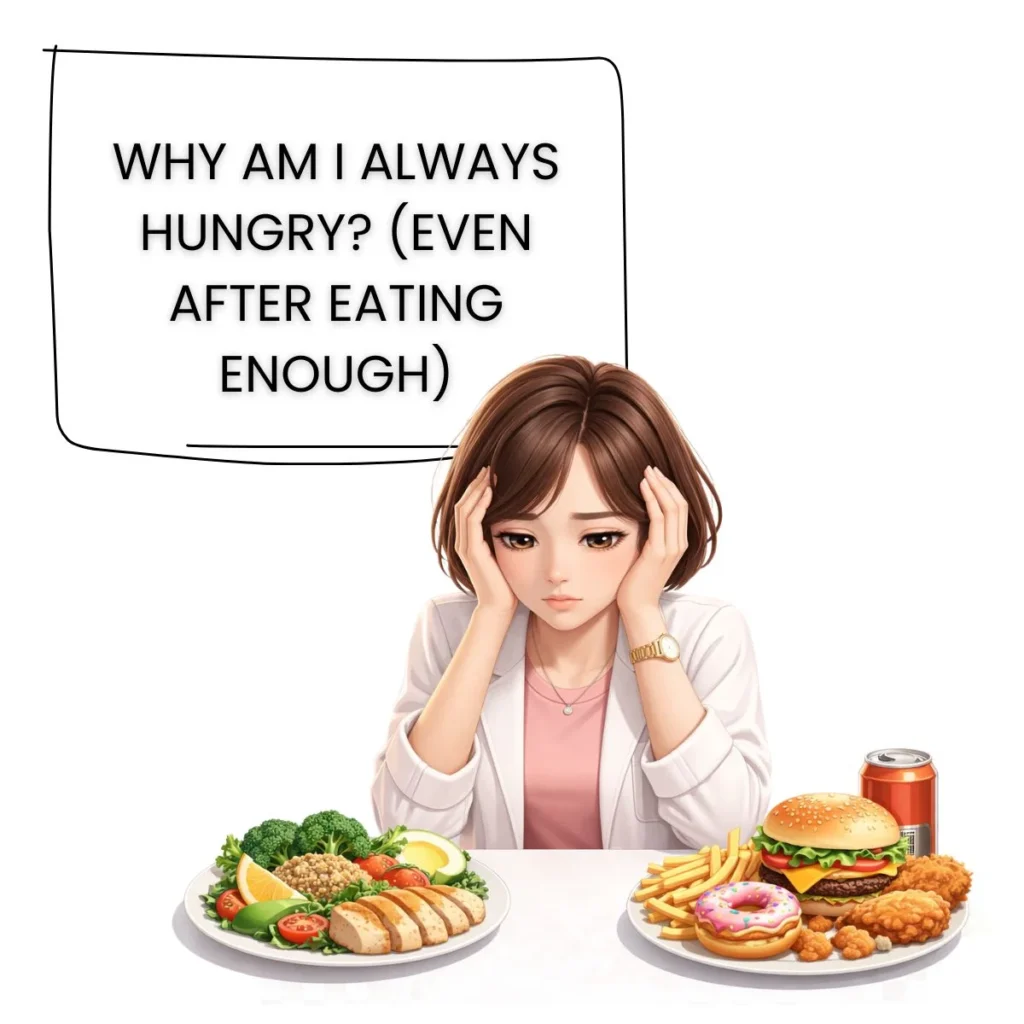
They eat a full meal, yet within a short time, they feel like eating again. Sometimes it feels like real hunger. Sometimes it feels like a strong urge or restlessness around food.
This is where confusion begins.
Because it doesn’t feel like overeating.
It feels like the body is not settling.
Not All Hunger Is the Same
This is important to understand.
There is a difference between:
- true physical hunger
- and metabolic hunger
Physical hunger builds slowly. It is calm. It can wait.
Metabolic hunger feels different. It comes faster. It feels urgent. It often comes with cravings.
Most people who say “I’m always hungry” are not dealing with lack of food.
They are dealing with imbalance in how their body is using energy.
What Is Actually Happening Inside
Every time you eat, your body releases insulin.
Its job is to move glucose into the cells so it can be used as energy.
But when this system is not working properly, things change.
The cells don’t respond well to insulin.
So even after eating, energy is not reaching where it should.
The body still feels like it needs more.
So, it sends another signal: eat again.
That’s why the hunger keeps coming back.
Common Reasons You Feel Hungry All the Time
There is usually not just one reason.
It is often a combination of patterns.
1. Constant Insulin Spikes
If you eat frequently throughout the day, insulin stays high.
There is no real gap.
This prevents your body from using stored energy.
So instead of switching to internal fuel, your body keeps asking for external food again and again.
2. Meals That Don’t Keep You Full
If your meals are mostly:
- Refined carbohydrates
- Low in protein
- Low in healthy fats
they digest quickly.
This causes a fast rise and fall in blood sugar.
You feel full for a short time, and then hunger returns quickly.
3. Habitual Eating, Not Real Hunger
Sometimes the body is not asking for food.
The mind is.
You may be used to:
- Eating with tea
- Snacking while working
- Eating out of boredom
Over time, this becomes a pattern.
So even without real hunger, the urge to eat keeps appearing.
4. Poor Sleep
Sleep affects hunger more than most people realise.
When sleep is disturbed or insufficient, hunger hormones increase.
You feel like eating more, especially high-energy foods.
At the same time, your body becomes less efficient in using energy.
5. Emotional Triggers
Stress, anxiety, and even mild emotional discomfort can show up as hunger.
Food becomes a quick way to feel settled.
This type of hunger is not coming from the body’s energy need.
It is coming from the mind trying to regulate itself.
6. Early Insulin Resistance
This is one of the most important reasons.
When the body is becoming resistant to insulin, energy is not delivered properly to the cells.
So even after eating, the body behaves as if it still needs fuel.
This creates repeated hunger signals throughout the day.
If you want to understand this deeper, you can read:
“Insulin Resistance Explained: How Fasting Restores Sensitivity”
How to Recognise Your Type of Hunger
A simple way to understand your hunger is to observe it.
Ask yourself:
Does it come slowly or suddenly?
Can I wait, or do I feel like I need to eat immediately?
Am I okay with simple food, or do I want something specific?
True hunger is patient and flexible.
Imbalanced hunger is urgent and selective.
Why Eating More Is Not the Solution
When you feel hungry again and again, the natural response is to eat more frequently.
But this often makes the problem worse.
More eating means more insulin.
More insulin means less access to stored energy.
And the cycle continues.
This is why many people feel stuck.
They eat to fix hunger, but hunger keeps returning.
Where Fasting Helps
Fasting changes this cycle.
It creates a gap where the body is not receiving food.
During this time, insulin levels begin to drop.
The body starts using stored energy instead of asking for new food.
Slowly, the system becomes more stable.
Hunger becomes less frequent and more predictable.
Energy feels steadier.
This is not about eating less.
It is about allowing the body to function properly again.
When Should You Pay Attention
If you feel hungry occasionally, it is normal.
But if you feel:
- Hungry very frequently
- Unable to stay full after meals
- Strong cravings throughout the day
then it is worth understanding the reason behind it.
Because this is often not about appetite.
It is about how your body is handling energy.
If you’ve been feeling that your hunger is “too much” or “out of control,” it may not be a lack of discipline.
Your body may simply be out of rhythm.
Once that rhythm is corrected, hunger becomes calmer, more predictable, and easier to manage.
And that changes everything.