
One of the most common questions I hear is not how to fast.
It is this:
Table of Contents
Toggle“I fasted… now what should I eat?”
And this question matters more than people realize.
Because fasting is not just about not eating.
Healing actually begins when you eat again.
You can fast perfectly and still:
- Feel bloated
- Feel tired
- Trigger cravings
- Undo metabolic benefits
—all because the refeeding was wrong.
So, let’s slow this down and understand it properly.
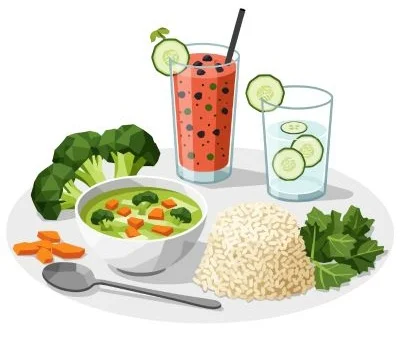
Why Breaking a Fast Matters So Much
When you fast, your body shifts gears.
It moves from:
- Digesting food
to - Repairing, cleaning, and resetting
During fasting:
- Insulin drops
- Inflammation reduces
- The gut rests
- Hormones recalibrate
- The nervous system quiets
When you eat again, your body is extremely receptive.
Think of it like dry soil after rain —
whatever you pour in now will be absorbed deeply.
This can be:
- Nourishment
or - Shock
Your first meal decides which one.
The Biggest Mistake People Make After Fasting
Most people break a fast with:
- Heavy meals
- Refined carbs
- Sugar
- Fried food
- Overeating “because I fasted”
The body is not ready for that.
After fasting:
- Digestive enzymes are low
- Gut lining is sensitive
- Insulin response is sharper
- The stomach is calmer but delicate
A harsh meal can lead to:
- Bloating
- Acid reflux
- Sudden hunger spikes
- Fat storage
- Fatigue
This is not failure — it’s physiology.
The Golden Rule of Refeeding
Break a fast gently.
Build the meal slowly.
Respect digestion first.
Refeeding is not about calories.
It is about digestive readiness.
Step 1: Wake Up Digestion Before Solid Food
After a fast, digestion needs a soft invitation, not a shock.
The best first inputs are:
- Warm fluids
- Light nourishment
- Mineral-rich foods
Examples:
- Warm water with a pinch of natural salt
- Herbal tea
- Light vegetable broth
- Diluted coconut water
This tells the body:
“Food is coming. You are safe.”
Step 2: Choose Foods That Are Easy to Digest
Your first meal should:
- Be warm
- Be simple
- Be low in volume
- Be nutrient dense
Good first foods include:
- Soft-cooked vegetables
- Light lentils or dals
- Stewed fruits
- Eggs (for those who tolerate them)
- Fermented foods in small amounts
These foods:
- Restart digestive enzymes
- Feed gut lining
- Prevent insulin spikes
This is where healing continues.
Protein After Fasting: Why It Matters
During fasting, the body preserves muscle — but refeeding tells it what to rebuild.
Protein:
- Signals repair
- Stabilizes blood sugar
- Reduces post-fast cravings
- Supports hormones
But protein should be:
- Moderate
- Easy to digest
- Not combined with heavy fats initially
Examples:
- Lentils
- Eggs
- Paneer or tofu
- Yogurt (if tolerated)
Not:
- Deep-fried protein
- Excess meat
- Protein overload
Gentle strength is the goal.
Carbohydrates: Not the Enemy, But Timing Matters
After fasting, insulin sensitivity is high.
This means:
- The body uses carbs efficiently
- Smaller amounts go a long way
Choose:
- Whole foods
- Low glycemic sources
- Natural carbohydrates
Examples:
- Cooked vegetables
- Small portions of fruits
- Millets or rice in modest amounts
Avoid:
- Refined sugar
- Bakery items
- Large carb loads immediately after fasting
Carbs should support healing — not hijack it.
Fats: When and How to Add Them
Fats are powerful — but timing matters.
Immediately after fasting:
- Too much fat can slow digestion
- Can cause nausea or heaviness
Add fats gradually:
- A little ghee
- Olive oil
- Coconut oil
- Nuts (later in the day)
Think of fats as secondary, not primary, in the first meal.
Electrolytes: The Forgotten Piece
Many post-fast symptoms are not hunger — they are electrolyte imbalance.
After fasting, the body may need:
- Sodium
- Potassium
- Magnesium
Natural sources:
- Rock salt
- Coconut water
- Leafy greens
- Bananas
- Broths
Proper electrolytes:
- Prevent dizziness
- Reduce fatigue
- Support nerve balance
How Much Should You Eat After Fasting?
This is important.
Do not eat until you feel full.
Aim for:
- Light satisfaction
- Calm stomach
- No pressure
Your body will signal when enough is enough — if you listen.
Overeating after fasting is one of the fastest ways to:
- Trigger insulin spikes
- Restart cravings
- Feel regret
Gentle fullness is the sweet spot.
Different Fast Lengths, Different Refeeding Needs
A short fast (14–16 hours):
- Normal balanced meal is usually fine
A longer fast (18–24 hours):
- Needs gentler refeeding
- Smaller portions
- More attention to digestion
Extended fasts:
- Require structured refeeding
- Progressive meals
- Extra care
This is where personalized guidance matters.
Emotional Eating After Fasting: Be Aware
Sometimes the hunger after fasting is not physical.
It is:
- Emotional release
- Fear of deprivation
- Old food habits resurfacing
Pause before eating.
Breathe.
Ask:
“Is this hunger… or habit?”
This awareness alone can transform outcomes.
Signs You Broke Your Fast Well
You’ll notice:
- Stable energy
- No bloating
- Calm digestion
- Reduced cravings
- Mental clarity
- Satisfaction without heaviness
This is how fasting supports healing — not punishment.
Signs You Need to Adjust Your Refeeding
If you feel:
- Bloated
- Sleepy
- Hungry again quickly
- Anxious
- Heavy
It’s not that fasting failed.
It’s simply a signal that refeeding needs adjustment.
The Bigger Picture
Fasting is not about control.
Eating after fasting is not about reward.
Both are about restoring rhythm.
When food timing and food quality align, the body:
- Feels safe
- Let’s go of fat
- Heals inflammation
- Regains balance
If you’ve been fasting but feel confused about:
- What to eat
- How much to eat
- Why results feel inconsistent
You don’t need stricter rules.
You may just need a body-aware approach — one that understands digestion, hormones, stress, and rhythm.
At Vaidikway, this is exactly where we guide people — not with rigid plans, but with clarity and care.
Healing doesn’t end when the fast ends.
That’s where it truly begins.