For decades, we’ve been told one thing with absolute certainty:
“Breakfast is the most important meal of the day.”
Table of Contents
ToggleIt was said so often, so confidently, that it stopped being questioned.
Parents repeated it. Doctors reinforced it. Schools taught it. Ads glorified it.
And yet — quietly, something didn’t add up.
People who never skipped breakfast were still tired.
People who ate “healthy breakfast” were still gaining weight.
People who followed all the rules were still developing insulin resistance, diabetes, hormonal imbalance, and chronic fatigue.
So today, let me ask you something — not as a rule, not as rebellion — but as a curious, honest question:
Do you actually need breakfast?
Let’s explore this together — calmly, scientifically, and without dogma.

Where Did the Breakfast Rule Come From?
Before we talk about biology, we must talk about history.
The idea that breakfast is “essential” is not ancient wisdom.
It’s not rooted in physiology.
It’s not a universal human practice.
In fact, for most of human history:
- People did not eat immediately after waking
- Food availability depended on daylight, work, seasons, and survival
- Morning hours were often spent working, hunting, praying, or traveling
The modern breakfast concept rose alongside:
- Industrial work schedules
- Food manufacturing
- Cereal marketing in the early 20th century
This doesn’t mean breakfast is “bad.”
It means breakfast became normalized, not biologically mandatory.
Biology doesn’t run on marketing slogans.
It runs on hormones, energy cycles, and adaptation.
What Actually Happens in Your Body When You Wake Up
When you wake up in the morning, something important is already happening inside you.
Your body is not empty.
Your body is not starving.
Your body is not panicking.
In fact, your body is doing this:
- Cortisol (a natural alert hormone) rises gently to wake you
- Stored energy from liver glycogen and fat is released
- Blood sugar is stabilized without food
- Growth hormone remains active from overnight repair
This is a designed state of transition — from repair to activity.
Eating immediately interrupts this transition.
Again — this doesn’t mean breakfast is “wrong.”
It means timing matters more than tradition.
Does Skipping Breakfast Slow Metabolism?
This is one of the biggest fears people carry.
Let me say this very clearly, because this misunderstanding has caused years of confusion:
Skipping breakfast does NOT slow metabolism in healthy individuals.
Metabolism slows when:
- You eat very little for weeks or months
- Nutrients are deficient
- Stress hormones dominate continuously
That is starvation — not fasting.
Short-term fasting (like delaying breakfast) actually:
- Keeps insulin low
- Allows fat to be accessed for energy
- Maintains or even increases metabolic flexibility
Your metabolism is not fragile.
It evolved to handle periods of eating and non-eating.
Breakfast, Insulin, and Fat Storage
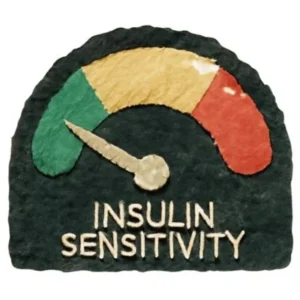
Now let’s talk about insulin — because this is where breakfast becomes interesting.
Every time you eat:
- Insulin rises
- Fat burning pauses
- Storage mode turns on
When you eat first thing in the morning, especially:
- Sugary foods
- Refined carbohydrates
- Cereals, bread, juice, flavored coffee
You push insulin up before your body even finishes its overnight fat-burning cycle.
For people with:
- Weight gain
- PCOS
- Prediabetes
- Fatty liver
- Chronic cravings
This early insulin spike can:
- Increase hunger later in the day
- Trigger energy crashes
- Lock the body into glucose dependence
This is why many people say:
“The more regularly I eat breakfast, the hungrier I feel all day.”
That’s not willpower failure — that’s hormonal signaling.
But What About Energy and Performance?
This is where nuance matters.
Some people feel great eating breakfast.
Some feel better delaying it.
Both experiences are valid.
Let’s break this down by physiology, not opinion.
People Who Often Benefit from Delaying Breakfast
- Insulin-resistant individuals
- People with constant cravings
- Those who feel sleepy after eating
- Those who wake up without hunger
- People trying to restore metabolic flexibility
For them, skipping breakfast often:
- Improves mental clarity
- Reduces mid-morning crashes
- Stabilizes appetite
- Improves fat metabolism
People Who May Benefit from Breakfast
- Underweight individuals
- Highly active manual workers
- People with adrenal exhaustion
- Some women during specific cycle phases
- Those waking with true hunger and weakness
This is why one rule cannot fit all bodies.
Breakfast and the Brain: Clarity vs Crash
Here’s something most people don’t expect.
When insulin stays low:
- Ketones increase
- The brain gets a steady fuel source
- Focus often improves
This is why many people report:
- Sharper thinking in the morning
- Better concentration while fasting
- Reduced anxiety without constant snacking
The brain does not need breakfast.
It needs stable energy.
And stability often comes from not eating too frequently.
What Science Actually Shows About Breakfast
Large observational studies once claimed breakfast eaters were healthier.
But later analysis revealed something important:
Breakfast eaters often:
- Exercised more
- Smoked less
- Slept better
- Had structured routines
When these factors are adjusted, the “magic” of breakfast disappears.
Recent controlled trials show:
- No consistent metabolic advantage to breakfast
- No universal improvement in weight or performance
- Significant individual variability
In other words:
Breakfast is optional — not essential.
So… Should YOU Eat Breakfast or Not?
Instead of asking:
“Is breakfast good or bad?”
Ask:
“What does my body need right now?”
Here are better guiding questions:
- Do I wake up hungry or just habitual?
- Does breakfast give me energy or make me sluggish?
- Do I crash mid-morning after eating?
- Can I go a few hours comfortably without food?
Your answers are more valuable than any headline.
A Gentle Way to Experiment
You don’t need to “quit breakfast forever.”
You can experiment intelligently.
Try this:
- Start delaying breakfast by 30–60 minutes
- Observe energy, hunger, mood
- Notice if cravings change
- Adjust based on how your body responds
This is not discipline.
This is self-observation.
Healing always begins with awareness.
Why This Matters for Long-Term Health
Constant eating keeps the body in storage mode.
Periodic fasting allows repair, cleanup, and renewal.
This rhythm:
- Reduces insulin burden
- Improves metabolic flexibility
- Supports cellular repair
- Restores hunger signals
Breakfast is not the enemy.
Unquestioned habits are.
A Personal Note from Vaidikway
At Vaidikway, we don’t tell people to:
- Skip breakfast blindly
- Follow rigid rules
- Copy someone else’s routine
We help you:
- Understand your body
- Restore natural hunger signals
- Choose eating patterns that heal, not stress
Some people eat breakfast.
Some delay it.
Both can be correct — when chosen consciously.
If You Feel Confused, You’re Not Weak — You’re Aware
Confusion often appears when old rules stop working.
If you:
- Tried eating every 2 hours and failed
- Felt guilty skipping breakfast
- Felt better fasting but feared damage
You don’t need more motivation.
You need clarity and guidance.
That’s where we help.
Ready to Understand What Your Body Needs?
Instead of guessing, struggling, or swinging between extremes,
let’s understand your metabolism, hormones, and lifestyle together.
🌿 If you’d like personalized guidance on:
- Whether breakfast suits you
- How to structure fasting safely
- How to eat without cravings or fear
You’re welcome to explore Vaidikway’s consultation plans
— designed for long-term healing, not short-term rules.